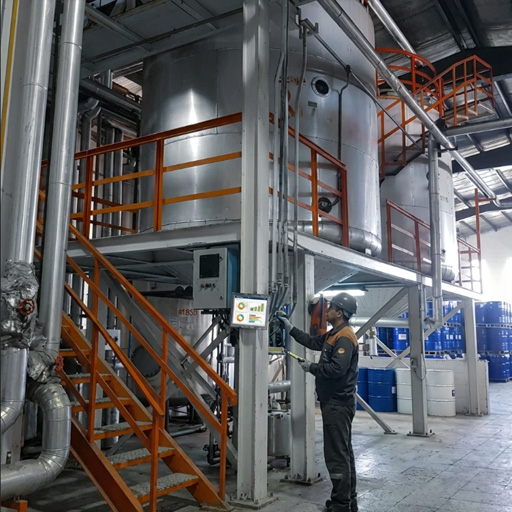




Paraffin Applications in Packaging and Food Industries — Technical & Export Guide
Paraffin and its derivatives (Slack Wax, Foots Oil, Industrial Petroleum Jelly, and Liquid Paraffin) play a critical role in food packaging and processing industries. This article examines their applications, technical specifications, quality control, packaging, and sustainability considerations from an industrial and export perspective, enabling B2B buyers and exporters to make informed technical and commercial decisions. “Kimia Farayand Razi” (KFR) is referenced throughout this text as a reliable technical source for examples and industry standards.
Types of Paraffin and Derivatives Used in the Food and Packaging Industries
Paraffins used in these sectors fall into three main functional categories: Solid Paraffin (light and heavy), Industrial Liquid Paraffin (White Mineral Oil), and semi-refined derivatives such as Slack Wax and Industrial Petroleum Jelly. Each possesses distinct physical and functional properties that must be considered for appropriate selection.
- Light and Heavy Solid Paraffin: Utilized for coating, protective layers, and as a hardening agent in wax emulsions.
- Industrial Liquid Paraffin (White Mineral Oil): Functions as a process lubricant, release agent, and is used in certain food applications with the appropriate grade. For a proper selection, refer to the liquid paraffin guide: Comprehensive Guide to Selecting Industrial Liquid Paraffin for Factories.
- Slack Wax: A byproduct of the refining process, used in combination with refined paraffin waxes to produce wax blends and coatings — technical details are available in the specialized guide: What is Slack Wax? Applications, Technical Specifications, and Industrial Selection Guide.
- Industrial Petroleum Jelly / Vaseline: Applied in specific packaging formulations and indirect food contact coatings — view technical specifications in the white petroleum jelly analysis: Technical Analysis and Specifications of White Petroleum Jelly | BP/USP 2020.
To view the full spectrum of available products and compare specifications, visit the industrial paraffin products page of Kimia Farayand Razi: Refined Paraffin Products.
Key Applications of Paraffin in Packaging and Food Industries
Paraffin and its derivatives are utilized in several core areas within the food and packaging industries:
- Fruit and Vegetable Coating (Post-Harvest): Emulsified paraffin serves as a protective layer to reduce evaporation, improve shelf life, and prevent surface oxidation. For technical guidelines and agricultural applications, review The Use of Paraffin in Agriculture.
- Coatings and Liners for Paper and Cardboard Packaging: A thin layer of paraffin can significantly reduce moisture penetration and grease transfer, acting as an effective barrier in disposable packaging.
- Release Agents: In food molding and packaging lines (such as for chocolates and biscuits), liquid paraffin or appropriately graded petroleum jelly is used as an efficient release agent.
- Formulation Additives and Emulsions: In the production of films, edible coatings, and certain adhesives, paraffin provides hardening properties and enhances moisture resistance.
- Lubricants and Processing Aids: Foots oil and white mineral oils act as effective lubricants in packaging processes, conveying systems, and food machinery. Suppliers must provide the proper grade and corresponding MSDS/COA for each application.
Technical Specifications and Selection Criteria for Food Packaging Paraffin
Selecting the right paraffin is based on specific technical indicators:
- Melting Point: Determines the hardness and functional temperature of the paraffin layer. To better understand the relationship between melting point and quality, read How Does Solid Paraffin Melting Point Determine Quality?.
- Brightness & Purity: In food packaging, brightness and the percentage of impurities are highly critical; analyzing brightness and purity helps prevent contamination and food flavoring — an overview of brightness analysis is available in Paraffin Analysis: The Meaning of Brightness and Purity Percentage and Their Importance in QC.
- Acid Value and Saponification Value: These must be strictly controlled, especially in slack wax and oils, to prevent adverse side reactions with food products.
- Free Oil Content in Slack Wax: The percentage of residual oil directly impacts film properties and suitability for packaging applications.
- Pour Point and Oxidation Resistance: For liquid paraffin and foots oil, checking the pour point and oxidative stability is essential; examples of technical analyses for white mineral oils compliant with BP standards can be found in the Medical and Food Grade White Oil analysis collections.
Quality Control, Documentation, and Safety (COA, MSDS, Certificates)
For export and application in the food industry, the following documents are mandatory or highly requested:
- COA (Certificate of Analysis): Includes measurements of melting point, brightness, acid value, oil content, and other agreed-upon parameters.
- MSDS / SDS: Outlines safety information regarding transport, storage, and handling exposure.
- Health Certificates / BP/USP Compliance: Or relevant food standards if direct food contact is required.
“Kimia Farayand Razi” typically provides analyses compliant with reference standards for food and cosmetic products; for example, BP-compliant analyses and various grades of white mineral oil can be found on the technical analysis pages of the website.
Packaging, Storage, and Paraffin Export Process
Proper export packaging depends on the product type:
- Solid Paraffin: Multi-layer bags, closed sacks (25–50 kg), palletizing, and, if necessary, specialized moisture-proof wrapping.
- Slack Wax and Raw Waxes: In bags or pallets, equipped with moisture protection and an attached COA label.
- Liquid Paraffin and Foots Oil: ISO tanks, or suitable steel/polyethylene drums with secure, leak-proof closures.
Standard customs documents include a commercial invoice, packing list, certificate of origin, COA, and MSDS. The exporter must ensure that export packaging complies with destination regulations to minimize the risk of cargo return.
Industrial buyers looking for product portfolios and packaging options can refer to the KFR products page: Refined Paraffin Products. To coordinate export orders, please use the contact page: Contact Us.
Sustainability, Slack Wax Recycling, and Foots Oil Oxidation Management
- Slack Wax Recycling: Slack wax can be recycled as feedstock in the production of blended or sulfurized waxes. Optimizing the refining process reduces waste and raw material costs; learn more about applications and recycling in What is Slack Wax?.
- Effects of Foots Oil Oxidation: Foots oils are susceptible to oxidation in the presence of oxygen and high temperatures, leading to unpleasant odors, increased acid value, and reduced efficiency. Technical solutions to mitigate oxidation include adding industrial antioxidants, minimizing air exposure time, storing in sealed tanks, and controlling ambient temperature.
- Environmental Sustainability: Using paraffins from efficient refining processes and recycling slack wax helps reduce carbon footprints and resource waste. “Kimia Farayand Razi” adheres to strict waste control and energy efficiency policies in its production processes to guarantee a sustainable product supply.
Quick Paraffin Selection Guide for Buyers and Exporters
Technical checklist for product selection:
- Determine the end application (direct food contact, fruit coating, release agent, paper packaging).
- Specify the appropriate melting point and test it according to agreed standards — for more technical info, visit How Does Solid Paraffin Melting Point Determine Quality?.
- Verify brightness and purity levels (to prevent flavor and color transfer).
- Request COA and MSDS from the supplier; if needed, ask for BP/USP analyses for oils used in the pharmaceutical/food industries.
- Choose suitable export packaging and coordinate customs documentation prior to loading.
For a more precise selection and to receive analytical samples, refer to the product categories of “Kimia Farayand Razi”. The company’s technical team can provide guidance and COA samples: Petroleum Jelly and Softener Products.
Conclusion
Paraffin and its derivatives are vital technical materials in the packaging and food industries. By selecting the correct grade, enforcing strict quality control (melting point, brightness, COA, and MSDS), and utilizing proper packaging, you can significantly enhance product shelf life, food safety, and production line efficiency. With its wide range of paraffin products and reliable technical analyses, “Kimia Farayand Razi” stands as a trusted technical partner in grade selection and export documentation preparation.
Frequently Asked Questions
Can paraffin come into direct contact with food?
Answer: Yes, but only specific grades with proper analysis and certification (Food Grade or BP/USP in special cases) are permitted for direct contact. Always verify the COA and MSDS.
How do we test and interpret the melting point of paraffin?
Answer: Standard laboratory methods (microscopic or melting point apparatus) are used to determine the melting range; a higher melting point generally indicates greater hardness and thermal stability. For detailed technical information, refer to How Does Solid Paraffin Melting Point Determine Quality?.
What documents are required for exporting paraffin?
Answer: Standard documents include COA, MSDS, commercial invoice, packing list, certificate of origin, and any health or quality certificates required by the destination. Coordination with the supplier and customs agent prior to export is essential.
How can we prevent foots oil oxidation?
Answer: Effective methods include storage in sealed tanks, temperature control, the addition of suitable antioxidants, and minimizing exposure to air.
What is the difference between slack wax and refined paraffin?
Answer: Slack wax is an intermediate product in petroleum refining containing a percentage of free oil. Refined paraffin boasts higher purity and brightness with a lower oil content, making it suitable for more sensitive applications. More technical details are available in What is Slack Wax?.
How can I get an analysis sample from “Kimia Farayand Razi”?
Answer: To request a COA and a technical analysis sample, you can submit your inquiry through the KFR contact page. Our technical team will provide the necessary information and samples for your technical and export evaluation: Contact Us.
Precise Industrial Decisions Start with Technical Selection ⚙️
When it comes to “Paraffin Applications in Packaging and Food Industries” or selecting Paraffin, Industrial Petroleum Jelly, Slack Wax, or Foots Oil, price isn’t the only decision-making factor. What truly matters is consistent quality, transparent technical specifications, and a reliable supply chain. With an engineering approach, documented quality control, and export expertise, Kimia Farayand Razi turns your selection into a dependable industrial decision.
Professional decisions mean reduced risks, consistent quality, and long-term partnerships.